What Is Sports Medicine? How Specialized Care Helps You Stay Active and Recover Stronger
United States, 29th Jul 2026 - Whether you're a competitive athlete, a weekend golfer, a runner, or simply someone who enjoys an active lifestyle, injuries can happen. Sports medicine is a specialized area of orthopedic care focused on preventing, diagnosing, treating, and rehabilitating injuries involving bones, joints, muscles, ligaments, tendons, and cartilage. Despite its name, sports medicine isn't just for professional athletes—it benefits anyone who wants to move comfortably, recover efficiently, and maintain an active life.
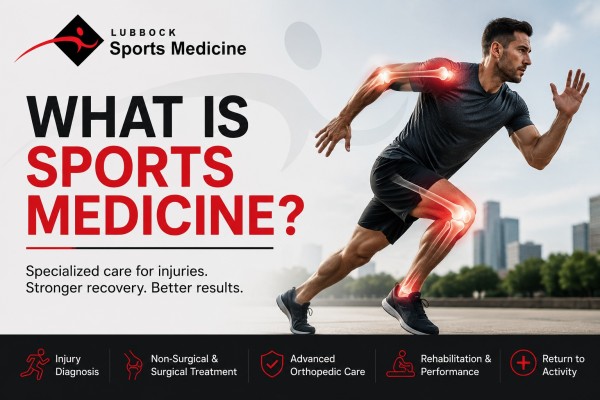
At Dr. Kevin Crawford's practice in Lubbock, sports medicine combines advanced orthopedic expertise with individualized treatment plans designed to help patients return to the activities they enjoy as safely and quickly as possible.
Sports Medicine Is About More Than Sports
Many people assume sports medicine only applies to football players or elite athletes. In reality, sports medicine focuses on treating musculoskeletal injuries that occur during physical activity, work, exercise, or everyday life.
Patients commonly seek sports medicine treatment for:
- Shoulder pain and instability
- Torn rotator cuffs
- ACL tears and other knee ligament injuries
- Meniscus tears
- Cartilage injuries
- Elbow injuries
- Tendon injuries
- Muscle strains
- Joint pain caused by overuse
- Sports-related fractures
- Throwing injuries
- Running injuries
Whether your injury occurred on the playing field, at work, in the gym, or while working around the house, sports medicine can help restore strength, stability, and function.
Common Sports Medicine Conditions
Sports medicine specialists evaluate a wide variety of orthopedic conditions affecting active individuals of all ages.
Some of the most common include:
Knee Injuries
The knee is one of the most frequently injured joints. Common conditions include:
- ACL tears
- Meniscus tears
- MCL and PCL injuries
- Cartilage damage
- Patellar instability
- Tendon injuries
Early diagnosis often leads to better outcomes and may reduce long-term joint damage.
Shoulder Injuries
The shoulder's incredible range of motion also makes it susceptible to injury.
Sports medicine physicians commonly treat:
- Rotator cuff tears
- Shoulder instability
- Labral tears
- Shoulder dislocations
- Impingement syndrome
- Arthritis affecting active adults
Advanced arthroscopic techniques often allow many shoulder injuries to be repaired using minimally invasive procedures.
Elbow Injuries
Athletes involved in baseball, tennis, golf, and racquet sports frequently develop elbow conditions such as:
- UCL injuries
- Tennis elbow
- Golfer's elbow
- Tendon injuries
- Throwing-related instability
Early treatment can often prevent more significant damage.
The Goal of Sports Medicine
Sports medicine isn't simply about relieving pain.
The primary goals include:
- Restoring normal movement
- Improving strength and stability
- Helping prevent future injuries
- Returning patients safely to sports or daily activities
- Preserving long-term joint health
- Maximizing athletic performance when appropriate
Treatment is always personalized based on the patient's age, activity level, goals, and specific injury.
Treatment Options May Not Require Surgery
One of the biggest misconceptions about orthopedic sports medicine is that surgery is always necessary.
In many cases, patients recover successfully with conservative treatment, including:
- Activity modification
- Physical therapy
- Targeted strengthening programs
- Anti-inflammatory medications
- Bracing
- Image-guided injections
- Regenerative medicine options, when appropriate
Surgery is generally considered only after a careful evaluation or when an injury is unlikely to heal properly without it.
When Surgery Is the Best Option
Certain injuries require surgical treatment to restore stability and function.
Examples include:
- Complete ACL tears
- Significant rotator cuff tears
- Shoulder instability with recurrent dislocations
- Complex meniscus injuries
- Cartilage restoration procedures
- Ligament reconstruction
Modern arthroscopic surgery allows many procedures to be performed through very small incisions, often reducing postoperative pain and helping patients begin rehabilitation sooner. Dr. Crawford specializes in minimally invasive arthroscopic procedures for the shoulder, knee, and elbow, with advanced training in sports medicine and reconstructive techniques.
Injury Prevention Is Just as Important
Sports medicine doesn't begin after an injury occurs.
Preventive strategies may include:
- Proper warm-up routines
- Strength and flexibility training
- Biomechanical evaluations
- Sport-specific conditioning
- Recovery planning
- Equipment recommendations
- Return-to-play assessments
Helping patients avoid future injuries is an important part of long-term orthopedic care.
Sports Medicine for Athletes—and Everyone Else
Although competitive athletes often benefit from sports medicine, many patients are everyday individuals who simply want to enjoy life without pain.
Sports medicine can help:
- Student athletes
- High school athletes
- College athletes
- Adult recreational athletes
- Golfers
- Tennis players
- Pickleball players
- Runners
- Cyclists
- Active adults
- Workers with repetitive-motion injuries
The objective is always the same: restoring healthy movement so patients can return to the activities that matter most.
Why Experience Matters
Choosing an experienced orthopedic sports medicine specialist can make a meaningful difference in diagnosis, treatment planning, and recovery.
Dr. Kevin Crawford is a board-certified orthopedic surgeon with advanced fellowship training in sports medicine from the renowned Steadman-Hawkins Clinic. He serves as Medical Director and Head Team Orthopedist for Texas Tech University Athletics and has extensive experience treating athletes and active individuals with shoulder, knee, and elbow injuries using advanced arthroscopic techniques.
Whether your goal is returning to competitive sports, getting back to work, or simply enjoying everyday activities without pain, sports medicine provides the specialized care needed to help you move with confidence.
Frequently Asked Questions
Is sports medicine only for athletes?
No. Sports medicine is designed for anyone experiencing injuries involving muscles, bones, joints, ligaments, tendons, or cartilage. Many patients are active adults who are not involved in organized sports.
What types of injuries does a sports medicine doctor treat?
Sports medicine physicians commonly treat ACL tears, meniscus injuries, rotator cuff tears, shoulder instability, tendon injuries, cartilage damage, fractures, elbow injuries, and overuse conditions affecting active individuals.
Will I always need surgery for a sports injury?
Not necessarily. Many injuries respond well to non-surgical treatments such as physical therapy, activity modification, bracing, medications, or injections. Surgery is recommended only when it offers the best opportunity for restoring function and long-term joint health.
Follow us on Facebook and Twitter, by Sports Doctor Lubbock, Rotator Cuff Repair, and Shoulder Instability
This article is for general purposes only and should not be considered medical advice. If you have any medical issues or questions, consult your physician.
Company Details
| Organization: Dr. Kevin Crawford |
| Contact Person Name: Office Manager |
| Website: https://lubbocksportsmed.com/lubbock-sports-doctors/dr-kevin-crawford/ |
| Email: info@drkevincrawford.com |
| Country: United States |